
Resources

  • Grade 2 Guide

    The Introduction to Grade 2 guide is a comprehensive foundation for educators as they navigate the instructional priorities and literacy expectations of Grade 2. It clearly outlines curriculum expectations and explains key components. The guide provides research-supported approaches and practical strategies educators can use in day-to-day instruction to strengthen students’ literacy skills and promote confident,…
  • Welcome to Kindergarten!

    ONlit’s Kindergarten Welcome Page provides educators and school leaders with a clear introduction to how early literacy is supported across the Kindergarten years. The page outlines the focus of literacy learning in Kindergarten, including oral communication, emergent reading and writing behaviours, and vocabulary development, and explains how these components are developed through everyday classroom experiences….

  • ONlit’s Overview of the B3 Language Conventions Continuum

    ONlit’s Overview of the B3 Language Conventions Continuum provides educators with a clear explanation of the role that language conventions play in effective literacy instruction. This resource outlines the essential elements of language conventions and describes how these components support fluent reading, clear expression, and precise written communication. The introduction highlights how understanding and teaching…

  • Learning through Literacy

    Learning Through Literacy is ONlit’s approach to integrated structured literacy instruction aligned with the Ontario Language Curriculum. Each grade level includes a selection of connected practices that show students how language, literacy, and curriculum areas work together through engagement with meaningful, Canadian content. Across the resource, educators will find features such as high-quality mentor texts,…

  • Explicit Instruction

    PD Slide Deck This slide deck, developed by Dr. Andrea Fraser, walks through foundational elements of explicit instruction including elements of an explicit instruction lesson, building an effective classroom environment, and supporting active engagement through student responses.

  • Introduction to MTSS

    PD Slide Deck Multi-Tiered Systems of Support is the delivery system for evidence-based instruction. This set of slides and corresponding speaker notes outlines key elements of MTSS: tiered instruction, data-based decision-making, collaborative problem solving, teaming and shared leadership, and a school-wide assessment system.

  • Family Literacy Night Slide Deck

    This presentation can be used at a school literacy night for families. The deck introduces Ontario’s shift to structured literacy, explaining how it supports effective reading instruction for all students. Families will learn why early reading screeners are now used in schools, the key literacy skills children need to develop to be proficient readers, and…

  • Assessment, Evaluation and Reporting

    PD Slide Deck Assessment and evaluation aim to maintain high standards, improve student learning, and benefit all students, parents, and teachers. Educators gather information that accurately reflects how a student is achieving the curriculum expectations and judge the quality of student learning of the overall expectations. This slide deck walks through the basics of evaluation,…

  • Book Study: Shifting the Balance (Slide Deck)

    PD Slide Deck ONlit’s Shifting the Balance: Upper Elementary book study brings together session recordings, links, and a complete slide deck to support professional learning for educators working in Grades 3–5. The materials are designed to be used flexibly: for individual learning, school-based professional learning, or educator book clubs, and guide participants through the key…

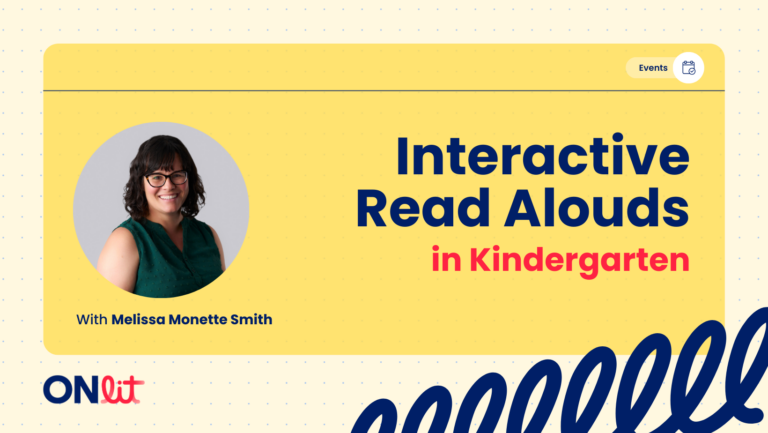
  • Interactive Read Alouds in Kindergarten Webinar Recording

    In this webinar, Melissa Monette Smith shares practical strategies for using interactive read-alouds to build vocabulary, deepen comprehension, and model fluent, expressive reading for young learners. Perfect for kindergarten educators and early learning professionals, this session covers how to plan purposeful read-alouds, ask meaningful questions, and extend stories into play-based learning. Watch to make story…